How to Maintain Weight Loss After Reaching Your Goal

 By Neha Jain |
 5 min read
|18 Oct 2025Achieving your weight loss goal is a significant accomplishment, but maintaining that weight loss can be just as challenging, if not more so. Many people find that keeping the weight off requires continued effort and commitment. To help you maintain your weight loss, it’s essential to develop strategies that will support your new, healthier lifestyle in the long term.
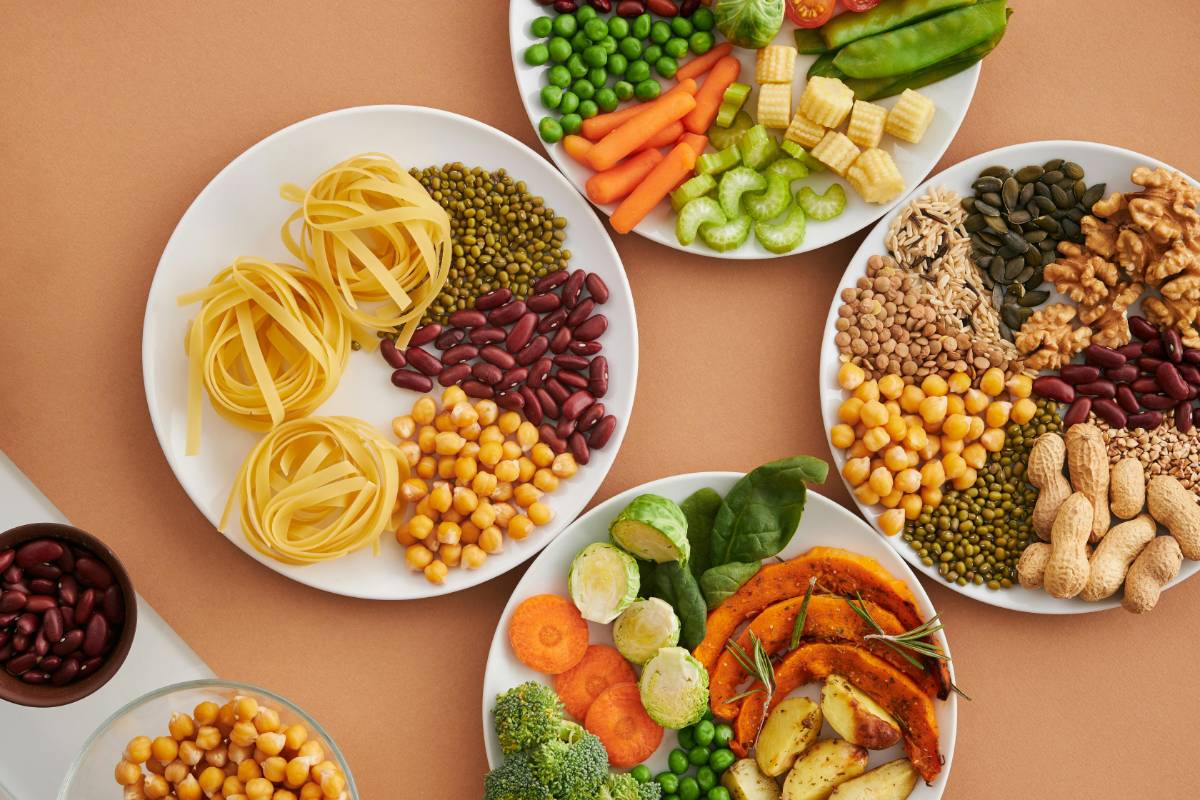
Adopt a Sustainable Eating Plan: One of the most important factors in maintaining weight loss is sticking to a balanced and sustainable eating plan. The diet you followed to lose weight may need to be adjusted to provide the right amount of calories for maintenance. Focus on a diet rich in whole foods, including fruits, vegetables, lean proteins, and whole grains. Avoid returning to old eating habits that led to weight gain in the first place, and continue to monitor your portion sizes and caloric intake.
Continue Regular Physical Activity: Exercise plays a crucial role in maintaining weight loss. Regular physical activity helps to burn calories, boost metabolism, and maintain muscle mass. Aim for at least 150 minutes of moderate-intensity exercise each week, along with strength training exercises to keep your muscles strong and your metabolism active. Find activities you enjoy, whether it’s walking, swimming, cycling, or dancing, to make exercise a regular and enjoyable part of your routine.
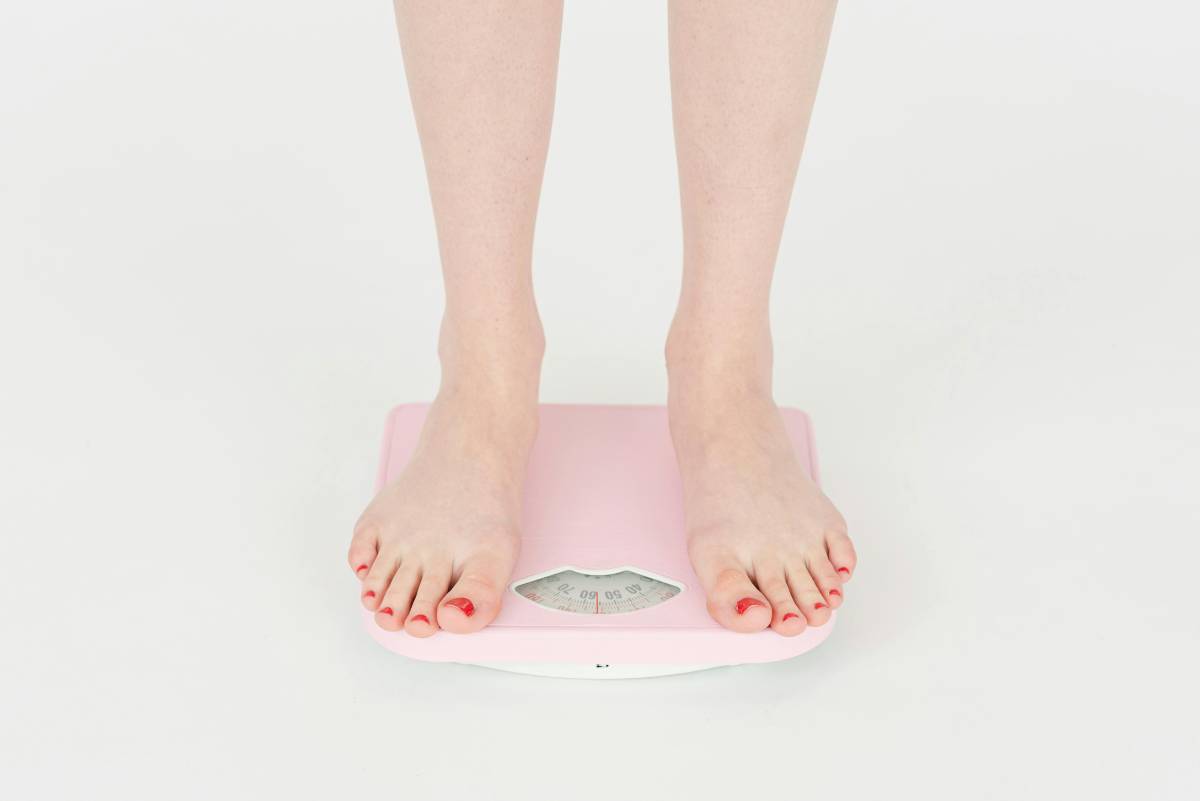
Monitor Your Weight Regularly: Keeping track of your weight on a regular basis can help you catch any potential weight gain early and make adjustments before it becomes a bigger issue. Weigh yourself weekly or bi-weekly and keep a record of your weight to identify any trends. If you notice a gradual increase, take action by adjusting your diet and exercise habits to prevent further weight gain.
Stay Mindful of Triggers: Many people have certain triggers that lead to overeating or unhealthy food choices, such as stress, boredom, or social events. It’s important to stay mindful of these triggers and develop strategies to manage them without turning to food. Practice stress-relief techniques such as meditation, deep breathing, or exercise, and find alternative activities to keep yourself occupied during moments of boredom. When attending social events, plan ahead by eating a healthy snack before you go and practicing portion control.
Set New Goals: Maintaining weight loss doesn’t mean you should stop setting goals altogether. Continue to set new health and fitness goals to keep yourself motivated and focused. These goals could include improving your fitness level, trying new forms of exercise, or working on building strength and flexibility. Setting and achieving new goals can provide a sense of accomplishment and help you maintain your weight loss journey.
Get Support: Having a support system in place is crucial for maintaining weight loss. Surround yourself with friends, family, or a support group who understand your journey and can provide encouragement and accountability. Consider joining a weight maintenance group or online community where you can share your experiences, challenges, and successes with others who are also focused on maintaining their weight loss.
Be Patient and Persistent: Maintaining weight loss is a lifelong commitment that requires patience and persistence. There may be times when you slip up or face challenges, but it’s important to stay focused on your long-term goals. Remember that weight maintenance is about balance, not perfection. Allow yourself to enjoy occasional treats in moderation, but stay committed to your healthy lifestyle overall.
Adjust Your Mindset: The mindset you had during your weight loss journey may need to evolve as you shift into maintenance mode. Instead of focusing solely on losing weight, shift your mindset to maintaining your health and well-being. Embrace your new lifestyle as a permanent change, rather than a temporary diet. By thinking of your new habits as a way of life rather than a short-term solution, you’re more likely to stay committed to maintaining your weight loss.
Keep Learning and Adapting: As you maintain your weight loss, continue to educate yourself about nutrition, exercise, and healthy living. Stay informed about new research, tips, and strategies that can help you maintain your progress. Be open to adapting your routine as your needs and circumstances change over time. Whether it’s trying new healthy recipes, experimenting with different types of exercise, or learning about the benefits of mindfulness, staying curious and engaged can keep you motivated and on track.
Celebrate Your Successes: Finally, don’t forget to celebrate your successes along the way. Maintaining weight loss is a significant achievement, and it’s important to recognize and reward yourself for your hard work. Whether it’s treating yourself to a new outfit, enjoying a relaxing day at the spa, or simply taking a moment to reflect on how far you’ve come, celebrating your successes can reinforce your commitment to your new, healthier lifestyle.
Conclusion: Maintaining weight loss after reaching your goal requires ongoing effort and dedication, but it is entirely possible with the right strategies in place. By adopting a sustainable eating plan, staying active, monitoring your weight, and seeking support, you can keep the weight off for good. Remember to stay patient, keep learning, and celebrate your progress as you continue on your journey to a healthier, happier life.
MORE ARTICLES
3 min read | 29 Sep 2025
Portion Control for Weight Management
Portion control is a critical component of effective weight management. It involves regulating the amount of food consumed during each meal to help maintain a healthy weight and support overall health. Understanding and implementing portion control can prevent overeating, ensure balanced nutrition, and assist in achieving weight-related goals. This article explores the importance of portion control for weight management, practical strategies to implement it, and common pitfalls to avoid.

5 min read | 28 Sep 2025
How to Measure Portion Sizes at Home
Measuring portion sizes accurately is a crucial step in maintaining a balanced diet and managing calorie intake. Proper portion control helps you enjoy a variety of foods while ensuring you meet your nutritional goals. By measuring portion sizes at home, you can better manage your food intake, avoid overeating, and maintain a healthy lifestyle. This article provides practical tips and techniques for measuring portion sizes effectively at home.

3 min read | 27 Sep 2025
The Science Behind Portion Control
Portion control is a fundamental aspect of maintaining a balanced diet and achieving overall health. It involves managing the amount of food consumed to ensure nutritional needs are met without overeating. The science behind portion control reveals how our body processes food, the factors influencing hunger and satiety, and practical strategies for effective portion management. This article delves into the scientific principles of portion control and how it can support a healthier lifestyle.

5 min read | 26 Sep 2025
Tips for Eating Balanced on a Budget
Eating a balanced diet is essential for maintaining good health, but it can sometimes seem challenging when working with a tight budget. Fortunately, it is possible to eat healthily without overspending. By planning meals, making smart food choices, and using effective shopping strategies, you can enjoy a nutritious diet while keeping costs down. This article provides practical tips for eating balanced on a budget.

3 min read | 25 Sep 2025
The Role of Portion Sizes in a Balanced Diet
Portion sizes play a crucial role in maintaining a balanced diet and supporting overall health. Proper portion control helps manage calorie intake, ensure nutrient balance, and prevent overeating. This article explores the importance of portion sizes in a balanced diet and provides practical tips for managing portions to achieve your health and nutrition goals.
2 min read | 24 Sep 2025
Common Myths About Balanced Diets Debunked
A balanced diet is crucial for maintaining good health, but various myths and misconceptions can cloud our understanding of what it truly involves. These myths can lead to confusion and unhealthy eating habits. This article aims to debunk common myths about balanced diets, providing clear and evidence-based information to help you make informed dietary choices.
RECENT POSTS
1
Tips for Maintaining Weight Loss After Reaching Your Goal
3 min read | 17 Dec 20252
How to Read Nutrition Labels to Support Your Weight Loss Goals
2 min read | 16 Dec 20253
The Role of Protein in Weight Loss and How to Include It in Your Diet
5 min read | 15 Dec 20254
Low-Carb Diets: Do They Really Work for Weight Loss?
5 min read | 14 Dec 20255
The Importance of Portion Control in Weight Loss
5 min read | 13 Dec 20256
How to Reduce Emotional Eating for Better Weight Management
2 min read | 12 Dec 2025MORE POSTS
Tracking Progress: Beyond the Scale
8 min read | 30 Nov 2025
How to Effectively Use a Food Diary
7 min read | 29 Nov 2025
The Benefits of Using a Fitness Tracker
8 min read | 28 Nov 2025
How to Adapt Weight Loss Strategies for Aging Bodies
6 min read | 27 Nov 2025
Guidelines for Weight Management with Heart Conditions
7 min read | 26 Nov 2025