
Meal Prepping: The Key to Eating Healthy Every Day
 By Wilson Baker |
 3 min read
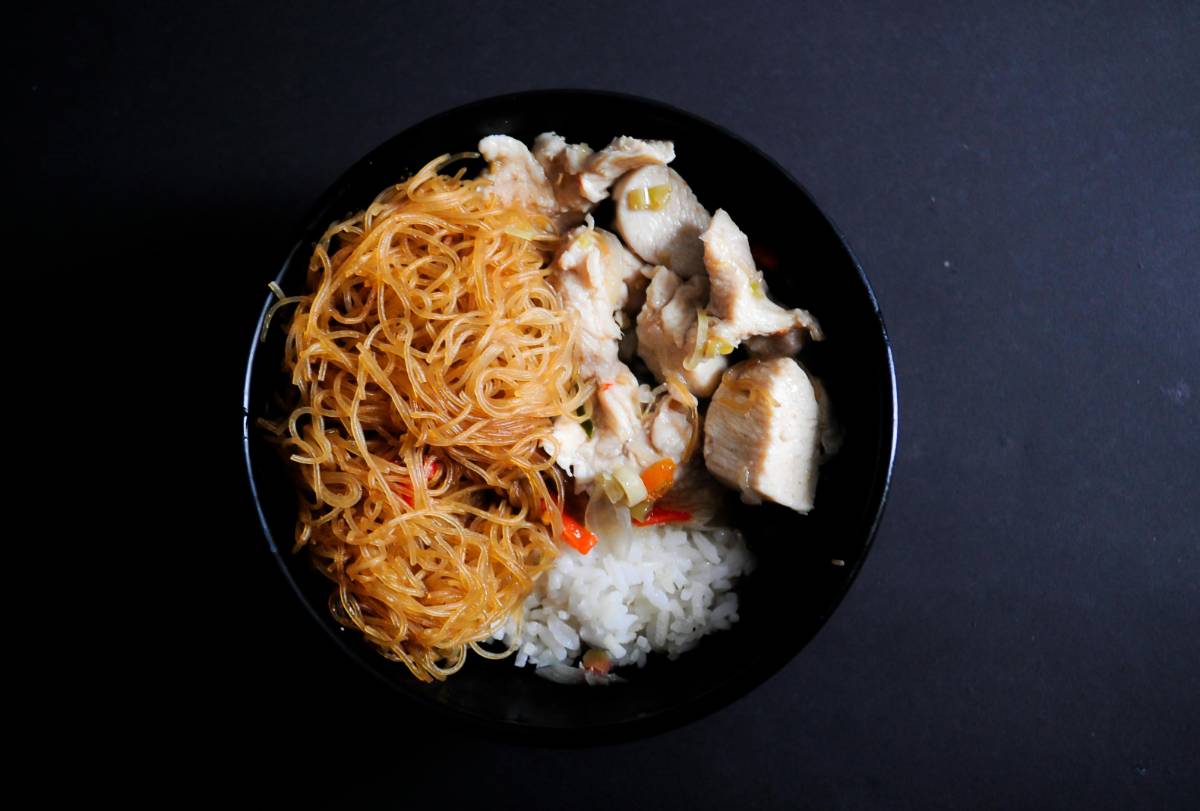
|12 Dec 2025Meal prepping is a powerful strategy for maintaining a healthy diet and achieving your nutritional goals. By planning and preparing your meals in advance, you can save time, reduce stress, and ensure that you always have nutritious options available. Here’s a comprehensive guide to meal prepping and how it can help you eat healthy every day.
Benefits of Meal Prepping
Meal prepping offers several advantages that contribute to a healthier lifestyle, including:
Time Savings: Preparing meals in advance can save you significant time throughout the week. By dedicating a few hours to meal prep on the weekends or during your free time, you can reduce the need for daily cooking and minimize the time spent deciding what to eat. This efficiency allows you to focus on other important aspects of your life.
Cost Efficiency: Cooking in bulk and preparing your meals at home can help you save money compared to eating out or buying pre-packaged meals. By purchasing ingredients in larger quantities and using them across multiple meals, you can reduce food waste and take advantage of cost savings.
Better Portion Control: Meal prepping allows you to portion your meals according to your dietary needs and goals. By controlling the portion sizes, you can avoid overeating and maintain a balanced diet. Pre-portioned meals also help with managing calorie intake and supporting weight management efforts.
Healthier Choices: When you prepare your own meals, you have complete control over the ingredients and cooking methods. This enables you to make healthier choices, avoid excess sugar and unhealthy fats, and include a variety of nutritious foods. Meal prepping ensures that you have wholesome options readily available, reducing the temptation to choose less healthy alternatives.
How to Get Started with Meal Prepping
To make meal prepping a successful and sustainable part of your routine, follow these steps:
Plan Your Meals: Start by planning your meals for the week. Consider your nutritional goals, dietary preferences, and any specific recipes you want to try. Make a list of the meals and snacks you want to prepare, and ensure they include a balance of proteins, carbohydrates, and healthy fats.
Create a Shopping List: Based on your meal plan, create a detailed shopping list of the ingredients you need. Check your pantry and fridge to see what items you already have and what needs to be purchased. Buying in bulk and selecting versatile ingredients can help streamline your shopping experience.
Prep Ingredients: Wash, chop, and cook ingredients in advance to make meal assembly quicker and easier. You can prepare vegetables, grains, and proteins ahead of time, and store them in separate containers. Consider using batch cooking techniques, such as roasting or grilling multiple servings of vegetables and proteins at once.
Assemble Meals: Once your ingredients are prepped, assemble your meals into individual containers. Use clear, airtight containers to keep your meals fresh and easily visible. Label the containers with the meal name and date to ensure proper rotation and to avoid confusion.
Store and Reheat: Store your prepped meals in the refrigerator or freezer, depending on how long you plan to keep them. Refrigerated meals are typically good for up to five days, while frozen meals can last for several weeks. Reheat your meals as needed, and enjoy the convenience of having healthy options readily available.
Tips for Successful Meal Prepping
To maximize the benefits of meal prepping, consider the following tips:
Start Small: If you’re new to meal prepping, begin with a few simple recipes and gradually increase the complexity as you become more comfortable. Starting with easy-to-make dishes can help you build confidence and establish a routine.
Invest in Quality Containers: Invest in durable, microwave-safe, and leak-proof containers to make meal prep and storage more efficient. Having a variety of container sizes can help you store different types of meals and snacks.
Mix Up Your Recipes: Avoid getting bored with your meal prep by incorporating a variety of recipes and flavors. Experiment with different cuisines, spices, and cooking methods to keep your meals interesting and enjoyable.
Stay Organized: Keep your kitchen organized and clean to streamline the meal prepping process. Having a designated meal prep area and keeping your utensils and appliances in order can help you work more efficiently.
Meal prepping is an effective way to ensure you eat healthy every day while saving time and money. By planning, preparing, and storing your meals in advance, you can enjoy the benefits of a well-balanced diet and maintain a healthier lifestyle. Embrace the practice of meal prepping and experience the convenience and satisfaction of having nutritious meals ready whenever you need them.
MORE ARTICLES
3 min read | 27 Oct 2025
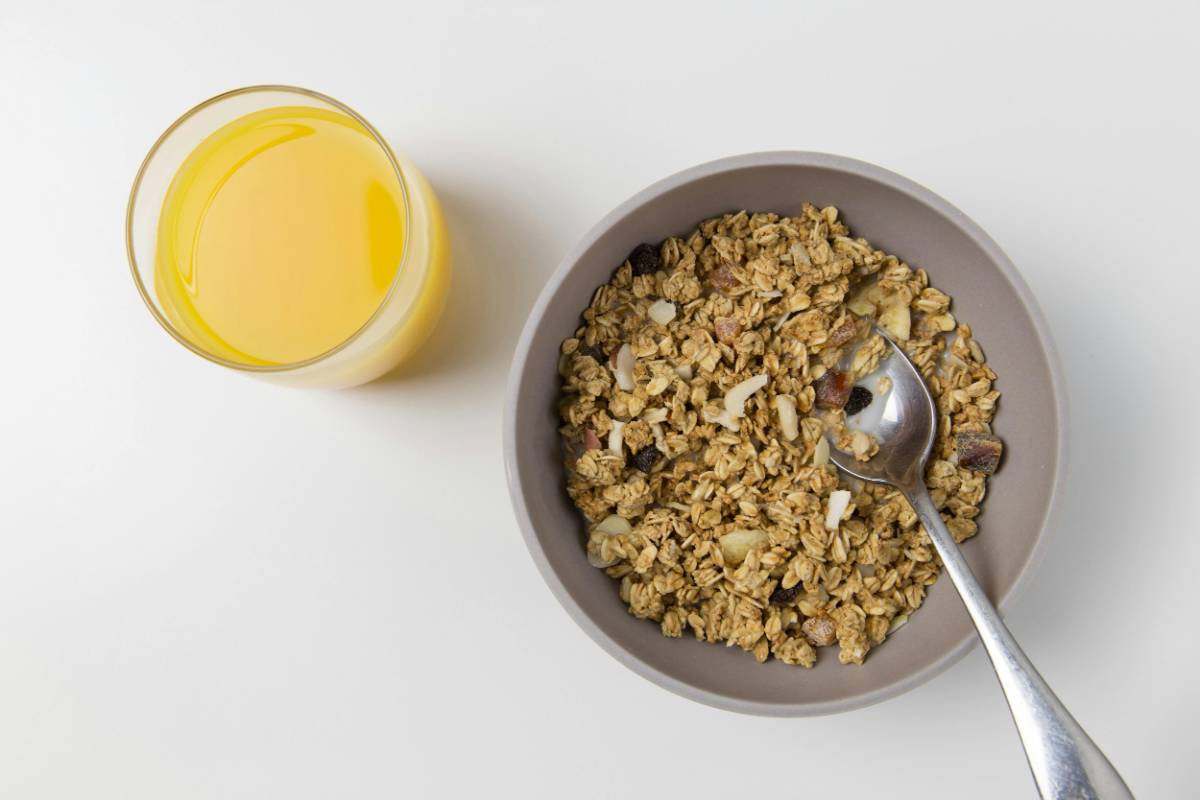
Fiber and Heart Health: What You Need to Know
Fiber is often celebrated for its benefits to digestive health, but its impact on heart health is equally significant. A diet rich in fiber can contribute to reducing the risk of heart disease, managing cholesterol levels, and maintaining overall cardiovascular health. In this article, we’ll explore how fiber supports heart health, the types of fiber that are most beneficial, and practical ways to incorporate more fiber into your diet.

5 min read | 26 Oct 2025
How Fiber Affects Satiety and Weight Management
Fiber is an essential component of a healthy diet, renowned for its benefits to digestive health, heart health, and blood sugar control. One of its most significant roles, however, is its ability to promote feelings of fullness, or satiety, which can be a powerful tool in weight management. In this article, we’ll explore how fiber affects satiety, the mechanisms behind this effect, and how it can support your weight management goals.
4 min read | 25 Oct 2025
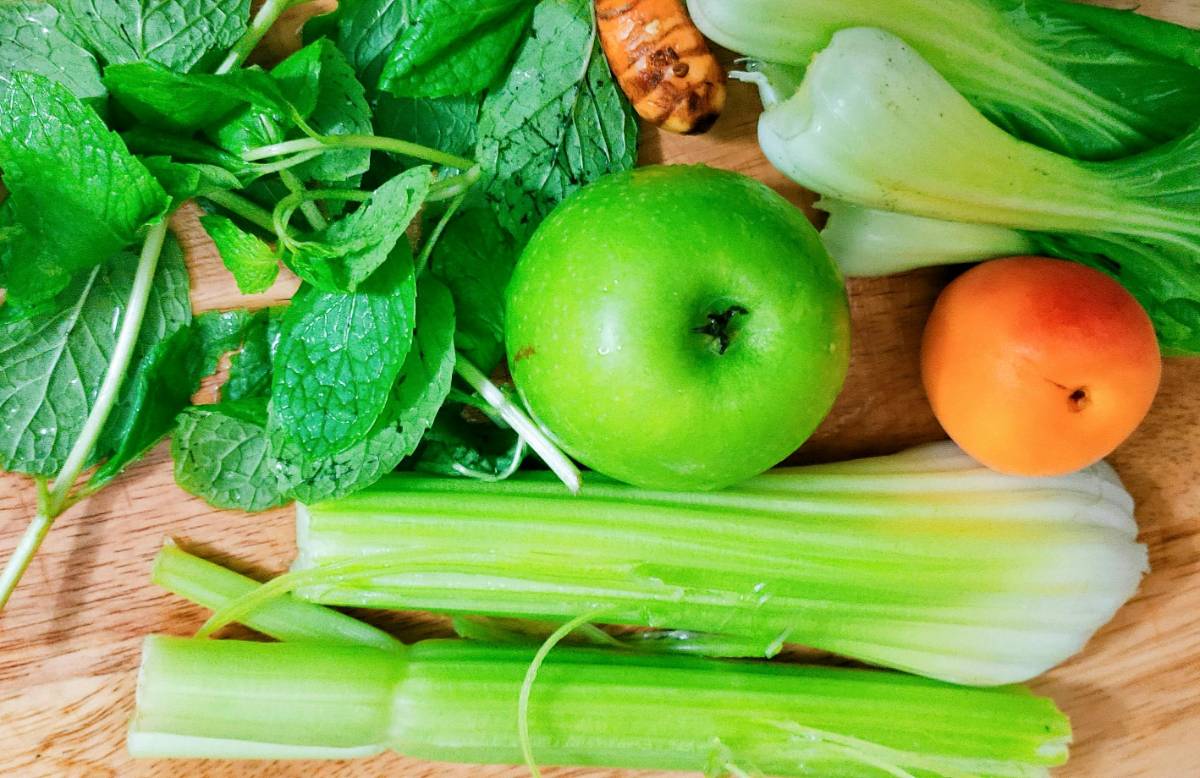
Soluble vs. Insoluble Fiber: What’s the Difference?
Fiber is an essential component of a healthy diet, known for its numerous benefits, including improved digestion, heart health, and blood sugar control. However, not all fiber is the same. It can be categorized into two main types: soluble and insoluble fiber. Each type plays a unique role in the body, offering distinct health benefits. In this article, we’ll explore the differences between soluble and insoluble fiber, their sources, and how to incorporate both into your diet for optimal health.

5 min read | 24 Oct 2025
The Role of Fiber in Managing Blood Sugar Levels
Managing blood sugar levels is crucial for overall health, particularly for individuals with diabetes or those at risk of developing the condition. One of the most effective dietary strategies for controlling blood sugar is increasing fiber intake. Fiber, a type of carbohydrate found in plant-based foods, plays a significant role in regulating blood sugar levels. In this article, we’ll explore how fiber helps manage blood sugar, the different types of fiber, and how to incorporate more fiber into your diet.
5 min read | 23 Oct 2025
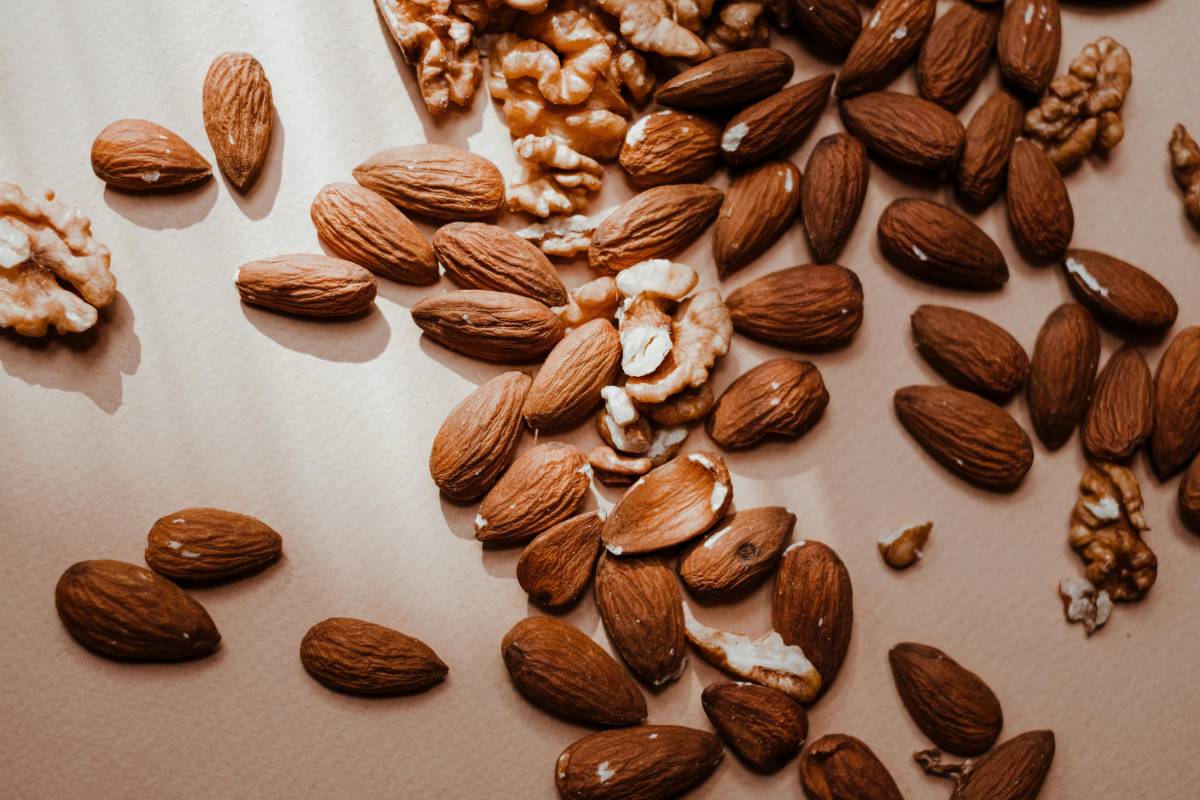
How to Increase Fiber Intake Without Overdoing It
Increasing your fiber intake is a great way to support digestive health, manage weight, and enhance overall well-being. However, making significant changes to your diet can sometimes lead to digestive discomfort, especially if done too quickly. To ensure a smooth transition and maximize the benefits of fiber without overdoing it, follow these practical tips for increasing your fiber intake gradually and effectively.
5 min read | 22 Oct 2025
Top Fiber-Rich Foods to Add to Your Diet
Incorporating fiber-rich foods into your diet is essential for maintaining digestive health, managing weight, and supporting overall well-being. Fiber, a type of carbohydrate found in plant-based foods, aids in digestion, helps regulate blood sugar levels, and promotes a healthy gut. If you’re looking to increase your fiber intake, consider adding the following top fiber-rich foods to your meals and snacks.
RECENT POSTS
1
The Importance of Regular Weigh-Ins
5 min read | 04 Dec 20252
How to Interpret Data from Fitness Trackers
6 min read | 03 Dec 20253
Setting Up and Using Weight Loss Goals and Milestones
6 min read | 02 Dec 20254
The Role of Mobile Apps in Weight Loss
7 min read | 01 Dec 20255
Tracking Progress: Beyond the Scale
8 min read | 30 Nov 20256
How to Effectively Use a Food Diary
8 min read | 29 Nov 2025MORE POSTS

Choosing the Right Sunscreen for Your Skin Type
5 min read | 03 Nov 2025
The Benefits of Regular Facials and How to Do Them at Home
3 min read | 02 Nov 2025
Essential Grooming Tips for Men
2 min read | 01 Nov 2025
How to Create a Relaxing Self-Care Routine at Home
3 min read | 31 Oct 2025
The Importance of a Consistent Hair Care Regimen
5 min read | 30 Oct 2025