Seasonal Workout Routines to Keep Your Fitness Fresh

 By Sayan Gosh |
 5 min read
|17 Dec 2025Adapting your workout routine to the changing seasons can help keep your fitness regime fresh and exciting. Seasonal workouts not only help you stay motivated but also allow you to take advantage of the unique opportunities each season offers. Here’s a comprehensive guide to seasonal workout routines that can keep you engaged throughout the year, ensuring you remain consistent and motivated while achieving your fitness goals.
Spring: Embrace the Outdoors
As the weather warms up and flowers start to bloom, spring is a perfect time to move your workouts outdoors. The crisp air and emerging greenery make outdoor exercises invigorating and enjoyable. Incorporate activities such as jogging in the park, hiking on nearby trails, or biking through scenic routes to fully embrace the season. Participating in a local fun run or joining an outdoor fitness class can provide a social aspect to your workouts, making them more engaging. Spring is also a great time to start new activities such as tennis, soccer, or even outdoor yoga, which can add variety to your fitness routine and help you discover new interests.
Summer: Stay Cool and Active
Summer brings hot temperatures, which means it's important to stay hydrated and find ways to keep cool while exercising. Swimming is an excellent low-impact, full-body workout that is ideal for hot weather, providing both cardiovascular and muscular benefits without putting stress on your joints. Outdoor activities like paddleboarding, kayaking, and beach volleyball are not only enjoyable but also offer great workouts. If you prefer indoor workouts, consider high-intensity interval training (HIIT) or cycling classes in air-conditioned environments to stay cool while getting an effective workout. Summer also presents an opportunity to explore new fitness trends, such as outdoor boot camps or seasonal fitness challenges, which can keep your routine exciting and dynamic.
Fall: Focus on Strength and Stability
With the arrival of cooler temperatures and falling leaves, fall is an ideal time to shift your focus to strength training and stability exercises. Incorporating weightlifting, bodyweight exercises, and yoga into your routine can help build muscle, improve balance, and prepare your body for the upcoming winter months. The cooler weather makes it more comfortable to engage in outdoor activities like running or hiking, which can also serve as excellent cross-training for your strength workouts. Joining a fall sports league, participating in seasonal fitness events, or tackling obstacle courses can add a fun and challenging element to your routine. Additionally, fall is a great time to revisit your fitness goals and adjust your routine to align with your evolving needs and interests.
Winter: Keep Moving Indoors
Winter’s cold and potentially snowy weather can make outdoor workouts less appealing, but it’s important to stay active despite the seasonal challenges. Focus on indoor workouts to maintain your fitness levels and continue making progress. Activities such as indoor swimming, group fitness classes, or home workout routines can provide effective exercise options when the weather outside is less inviting. Winter is also a great time to experiment with new fitness trends or techniques, such as virtual workout programs, dance classes, or online fitness challenges, which can keep your routine fresh and engaging. Additionally, consider incorporating activities that promote warmth and comfort, such as hot yoga or indoor climbing, to stay motivated and enthusiastic about your workouts.
Tips for Staying Active Year-Round
Regardless of the season, there are several strategies to maintain your fitness routine and stay motivated throughout the year. Setting seasonal goals can help you stay focused and track your progress, allowing you to measure your achievements and adjust your routine as needed. Mixing up your workouts by incorporating a variety of exercises and activities can prevent boredom and challenge different muscle groups, ensuring a well-rounded fitness regimen. Adapting your workouts to the weather conditions can help you stay comfortable and safe, while also allowing you to take advantage of seasonal opportunities. Staying social by joining fitness groups or classes can enhance your motivation and make exercising more enjoyable. Lastly, planning ahead by scheduling your workouts and planning seasonal activities can ensure consistency and commitment, helping you stay on track with your fitness goals.
By tailoring your workout routine to the seasons, you can keep your fitness journey enjoyable and effective all year long. Embrace the unique opportunities each season offers, stay adaptable, and continue to challenge yourself to maintain a balanced and engaging fitness regimen. Whether it’s exploring new outdoor activities in the spring, staying cool with swimming in the summer, focusing on strength in the fall, or keeping active indoors during the winter, seasonal workouts can help you stay motivated, achieve your fitness goals, and enjoy a healthy lifestyle throughout the entire year.
MORE ARTICLES

7 min read | 29 Nov 2025
How to Effectively Use a Food Diary
Using a food diary can be a powerful tool for managing your diet, understanding eating habits, and achieving your health and wellness goals. By tracking what you eat and drink, you can gain valuable insights into your nutritional intake, identify patterns, and make informed decisions to improve your overall health.

8 min read | 28 Nov 2025
The Benefits of Using a Fitness Tracker
Fitness trackers have become increasingly popular tools for those looking to monitor and improve their physical activity and overall health. These devices offer a range of benefits that can help users stay motivated, track their progress, and make informed decisions about their health and fitness routines.

6 min read | 27 Nov 2025
How to Adapt Weight Loss Strategies for Aging Bodies
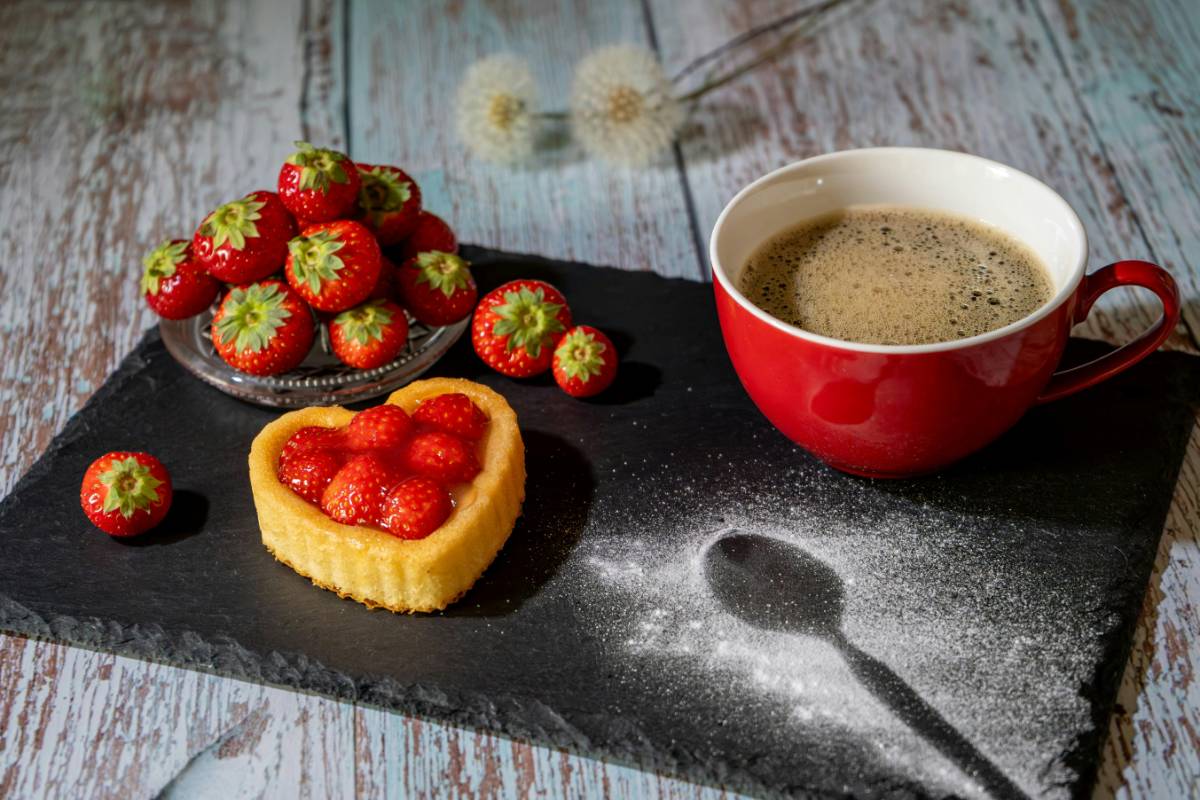
As we age, our bodies undergo various changes that can affect our weight and metabolism. Adapting weight loss strategies to accommodate these changes is essential for achieving and maintaining a healthy weight in later years. Understanding how aging impacts weight management can help in developing effective and sustainable weight loss plans.
6 min read | 26 Nov 2025
Guidelines for Weight Management with Heart Conditions
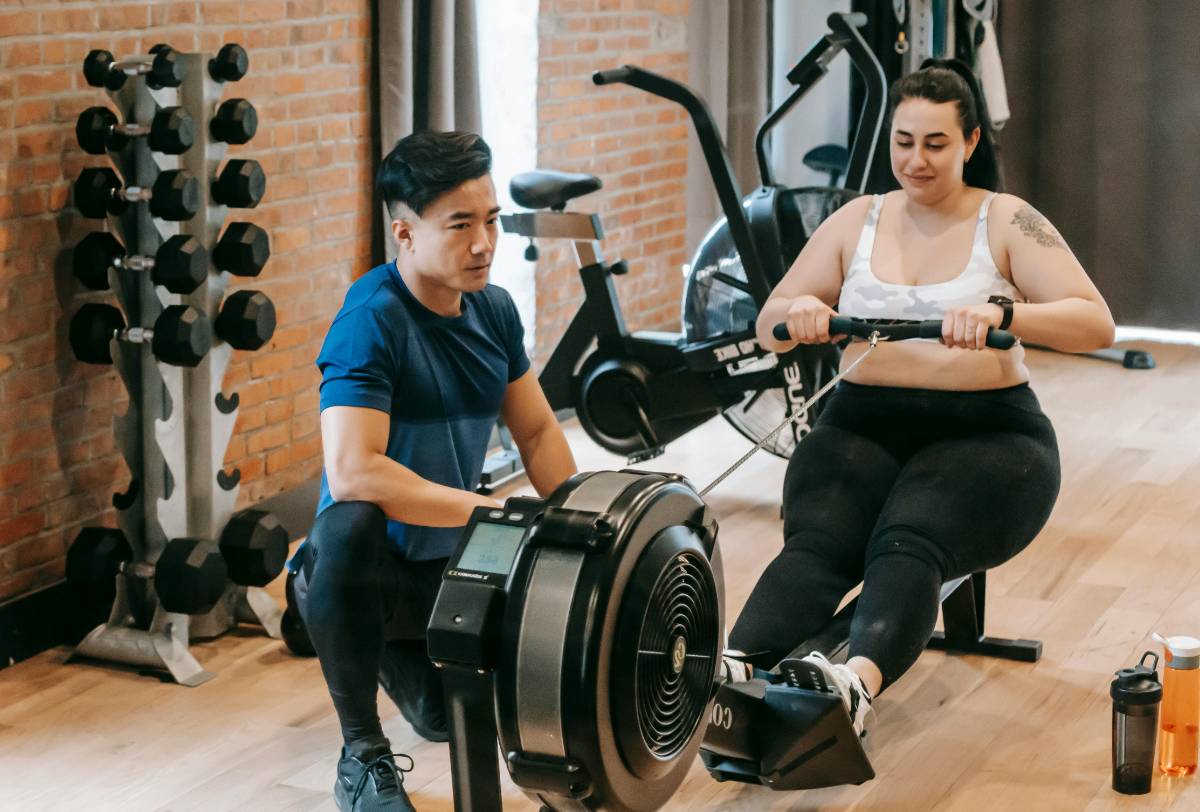
Managing weight with heart conditions is crucial for improving cardiovascular health and reducing the risk of complications. Individuals with heart conditions must approach weight management with specific guidelines to ensure that their efforts support their overall heart health. Understanding the intersection of weight management and heart conditions can help in creating a balanced approach that prioritizes both weight control and heart health.
5 min read | 25 Nov 2025
The Impact of Metabolic Syndrome on Weight Loss Efforts
Metabolic syndrome is a cluster of conditions that increase the risk of heart disease, stroke, and diabetes. It is characterized by abdominal obesity, high blood pressure, high blood sugar levels, and abnormal cholesterol levels. The presence of metabolic syndrome can significantly impact weight loss efforts and pose unique challenges for individuals trying to manage their weight. Understanding the interplay between metabolic syndrome and weight loss is crucial for developing effective strategies for achieving and maintaining a healthy weight.

6 min read | 24 Nov 2025
Managing Weight Post-Surgery or Medical Treatment
Managing weight after surgery or medical treatment requires a careful and informed approach. The impact of surgery or medical interventions on your body can influence your weight, and addressing this requires a balanced strategy tailored to your specific situation. Here are some key considerations and tips for managing weight post-surgery or medical treatment.
RECENT POSTS
1
Choosing the Right Sunscreen for Your Skin Type
4 min read | 03 Nov 20252
The Benefits of Regular Facials and How to Do Them at Home
3 min read | 02 Nov 20253
Essential Grooming Tips for Men
2 min read | 01 Nov 20254
How to Create a Relaxing Self-Care Routine at Home
2 min read | 31 Oct 20255
The Importance of a Consistent Hair Care Regimen
4 min read | 30 Oct 20256
Daily Skincare Routine for Glowing Skin
3 min read | 29 Oct 2025MORE POSTS

Why Flexibility is Important for Overall Fitness
4 min read | 09 Oct 2025
How to Track Your Cardio Fitness Progress
2 min read | 08 Oct 2025
Cardio Workouts That Don’t Require Equipment
4 min read | 07 Oct 2025
How to Choose the Right Cardio Equipment for Home Workouts
3 min read | 06 Oct 2025
The Benefits of Steady-State vs. Interval Cardio
3 min read | 05 Oct 2025