Why You Should Consider Sulfate-Free Shampoos

 By Wilson Baker |
 2 min read
|06 Oct 2025Sulfate-free shampoos have gained popularity in recent years as consumers become more aware of the potential effects of sulfates on hair and scalp health. Sulfates are surfactants commonly found in shampoos and other cleaning products, known for their ability to create a rich lather. However, there are compelling reasons to consider switching to sulfate-free shampoos. In this article, we’ll explore the benefits of sulfate-free shampoos and why they might be the right choice for your hair care routine.
Understanding Sulfates
Sulfates are a group of chemical compounds that include sodium lauryl sulfate (SLS) and sodium laureth sulfate (SLES). They are commonly used in shampoos and other personal care products due to their effective foaming and cleansing properties. Sulfates work by breaking down oils and dirt, allowing them to be rinsed away easily. While they are effective cleaners, they can also have some drawbacks:
Stripping Natural Oils: Sulfates can strip the scalp and hair of natural oils, leading to dryness and irritation. This can be particularly problematic for individuals with sensitive skin or those with dry or damaged hair.
Potential Irritation: Sulfates can sometimes cause irritation or allergic reactions in sensitive individuals. This may result in symptoms such as itching, redness, or flakiness.
Impact on Color-Treated Hair: Sulfates can accelerate the fading of color-treated hair by stripping away the color molecules. This can lead to more frequent touch-ups and a shorter lifespan of your hair color.
Benefits of Sulfate-Free Shampoos
Switching to sulfate-free shampoos offers several advantages for both your hair and scalp health:
Gentler Cleansing: Sulfate-free shampoos use alternative surfactants that are less harsh on the hair and scalp. These alternatives provide effective cleansing without stripping away natural oils, making them suitable for individuals with sensitive skin or dry hair.
Moisture Retention: By preserving the scalp’s natural oils, sulfate-free shampoos help maintain moisture levels in your hair. This can result in softer, more hydrated hair and reduce the risk of dryness and brittleness.
Color Preservation: Sulfate-free shampoos are less likely to strip color from dyed hair, helping to extend the life of your hair color. This means fewer trips to the salon for touch-ups and better color retention.
Reduced Irritation: For those with sensitive scalps or skin conditions, sulfate-free shampoos can minimize irritation and discomfort. They are formulated to be milder and less likely to cause allergic reactions.
How to Choose a Sulfate-Free Shampoo
When selecting a sulfate-free shampoo, consider the following factors to find the best product for your hair type and needs:
Check Ingredients: Look for shampoos that specifically state “sulfate-free” on the label. Read the ingredient list to ensure that sulfates such as sodium lauryl sulfate and sodium laureth sulfate are not present.
Consider Hair Type: Choose a sulfate-free shampoo that matches your hair type and concerns. For example, if you have dry hair, look for a moisturizing formula with nourishing ingredients. If you have oily hair, opt for a clarifying shampoo that balances oil production.
Evaluate Additional Benefits: Many sulfate-free shampoos offer additional benefits such as added vitamins, proteins, or natural extracts. Choose a product that addresses your specific hair care needs, whether it’s for volume, repair, or color protection.
Incorporate into Your Routine
To maximize the benefits of sulfate-free shampoos, incorporate them into your regular hair care routine:
Use as Directed: Follow the manufacturer’s instructions for application and usage. Apply the shampoo to wet hair, massage gently, and rinse thoroughly.
Combine with Conditioner: Pair your sulfate-free shampoo with a matching conditioner to maintain moisture and enhance hair health. Look for conditioners that complement the benefits of your shampoo.
Avoid Overwashing: Washing your hair too frequently can strip natural oils and lead to dryness. Use sulfate-free shampoo as needed, and consider washing your hair less often to maintain its health.
Switching to sulfate-free shampoos can be a beneficial change for those seeking gentler, more hydrating hair care options. By understanding the benefits and selecting the right product for your hair type, you can enjoy healthier, more vibrant hair while minimizing potential damage from harsh sulfates.
MORE ARTICLES

4 min read | 06 Nov 2025
How to Increase Water Intake Throughout the Day
Increasing your water intake is crucial for maintaining proper hydration, which supports various bodily functions including digestion, circulation, and temperature regulation. Many people struggle to drink enough water throughout the day, but with a few simple strategies, you can easily boost your daily water consumption and stay well-hydrated.
6 min read | 05 Nov 2025
The Impact of Caffeinated and Sugary Drinks on Hydration
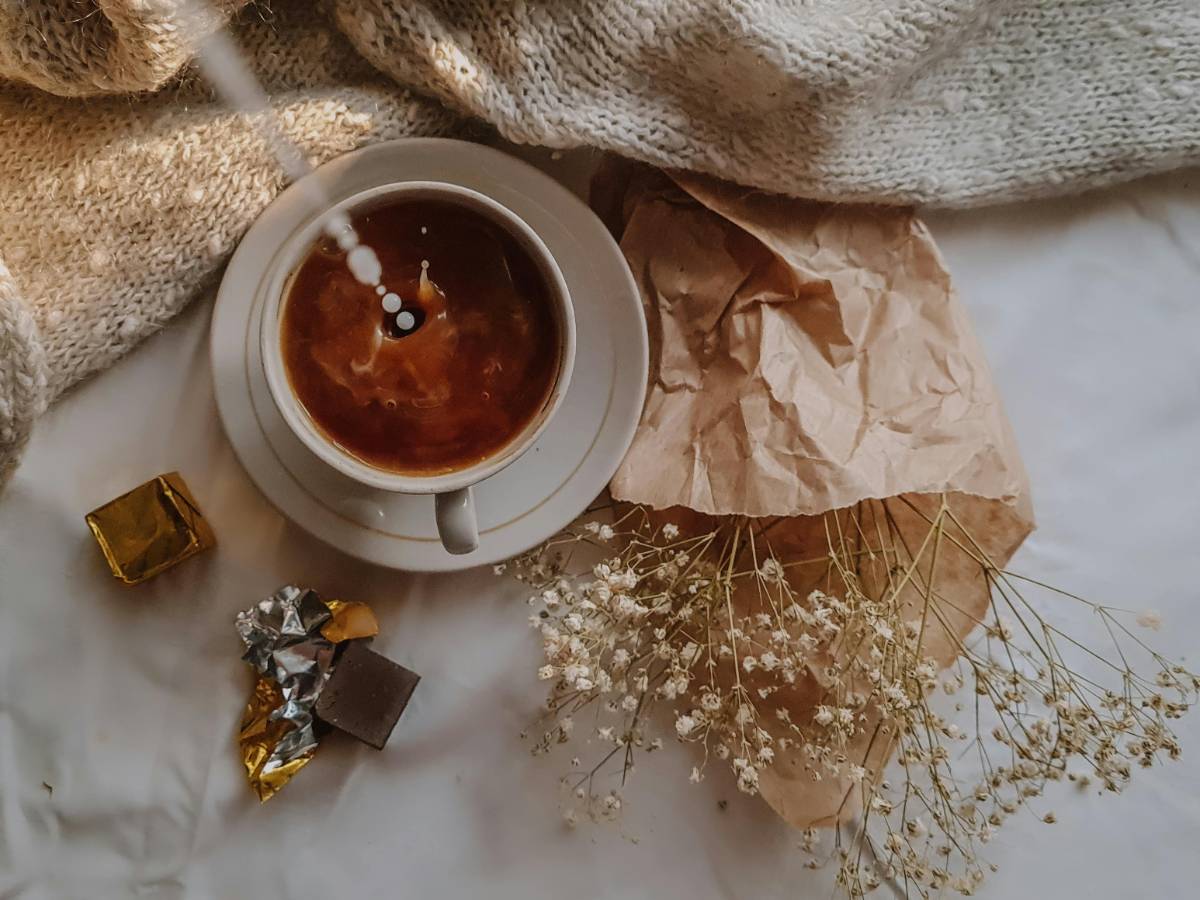
Maintaining proper hydration is essential for overall health, but not all beverages contribute equally to your hydration needs. Caffeinated and sugary drinks are popular choices for many, but their impact on hydration can be complex. Understanding how these drinks affect your body's fluid balance is crucial for making informed choices about your hydration strategy.

4 min read | 04 Nov 2025
How to Use Infused Water for Better Hydration
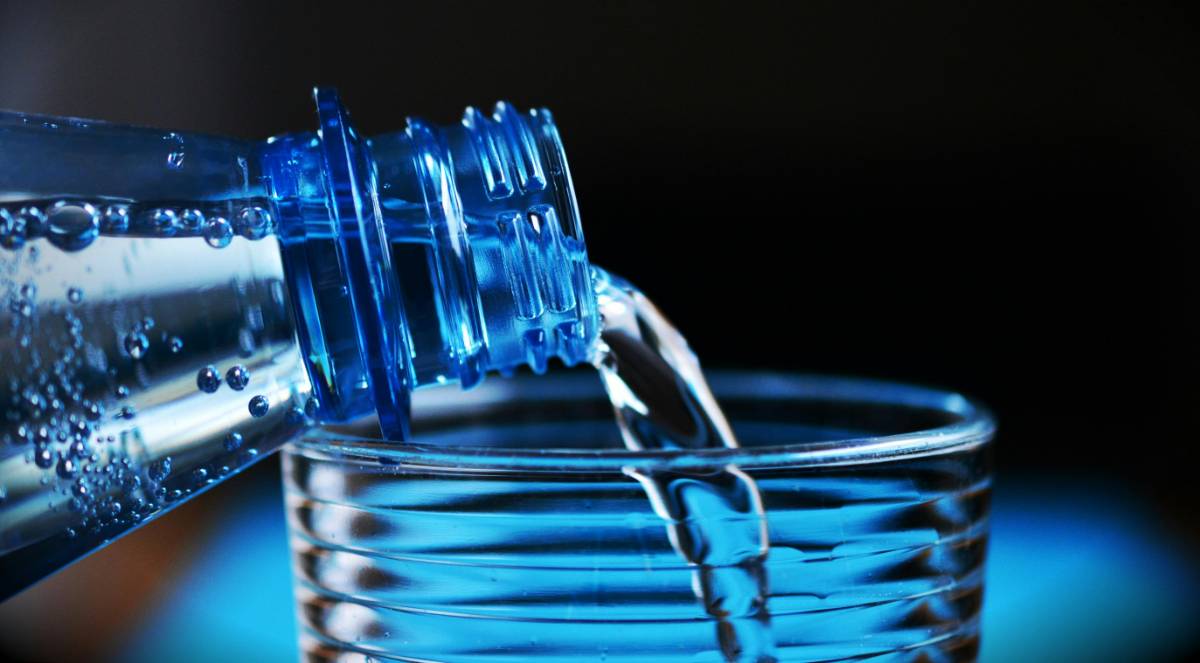
Infused water is a refreshing and flavorful way to stay hydrated while adding a variety of health benefits. By combining water with fruits, vegetables, and herbs, you can create a delicious beverage that encourages you to drink more water throughout the day. Here’s how to use infused water to boost your hydration and enjoy a range of health benefits.
4 min read | 03 Nov 2025
The Role of Electrolytes in Hydration
Hydration is more than just drinking water; it involves maintaining the right balance of fluids and electrolytes in your body. Electrolytes are minerals that carry an electric charge and are vital for various bodily functions. They include sodium, potassium, calcium, magnesium, chloride, and phosphate, all of which play crucial roles in hydration and overall health.

6 min read | 02 Nov 2025
Hydrating Foods to Include in Your Diet
Staying hydrated is essential for your overall health, and while drinking water is the most direct way to maintain hydration, incorporating hydrating foods into your diet can also be highly effective. These foods not only help keep you hydrated but also provide essential nutrients and vitamins. Here are some of the best hydrating foods to include in your diet:

4 min read | 01 Nov 2025
How to Identify and Combat Dehydration
Dehydration occurs when your body loses more fluids than it takes in, leading to a lack of sufficient water to perform its normal functions. Identifying and combating dehydration is crucial to maintaining your health and well-being. Here’s how you can recognize the signs of dehydration and take steps to prevent it:
RECENT POSTS
1
Creating a Stability Routine for Enhanced Performance
3 min read | 22 Nov 20252
The Role of Balance Training in Injury Prevention
4 min read | 21 Nov 20253
How to Use Balance Boards in Your Workouts
5 min read | 20 Nov 20254
Best Balance Exercises for Beginners
5 min read | 19 Nov 20255
Why Balance Training is Crucial for Fitness
3 min read | 18 Nov 20256
Core Training Routines for Better Athletic Performance
3 min read | 17 Nov 2025MORE POSTS
Top Fragrance Notes for Each Season
2 min read | 02 Nov 2025
How to Make Your Perfume Last Longer
3 min read | 01 Nov 2025
The Difference Between Eau de Parfum and Eau de Toilette
4 min read | 31 Oct 2025
How to Choose a Signature Scent
3 min read | 30 Oct 2025
The Benefits of Using Natural Soaps
5 min read | 29 Oct 2025